Trips
Albums with a place on the sheet that is not one of his own properties. These are the ones where the method from the Rainbolt video can go next.
| Album | Disk | Photos | Date window | Check one link |
|---|
Worked example: LSJ 12/04
Disk EFTA00250229 matches photobook EFTA00004663. Three sources that know nothing about each other agree on the dates.
Printed at the top of the contact sheets: Little St. James, December 2004.
Palm Beach to St. Thomas on 21 December, out again on 1 January. Checked against the scanned pilot logbook.
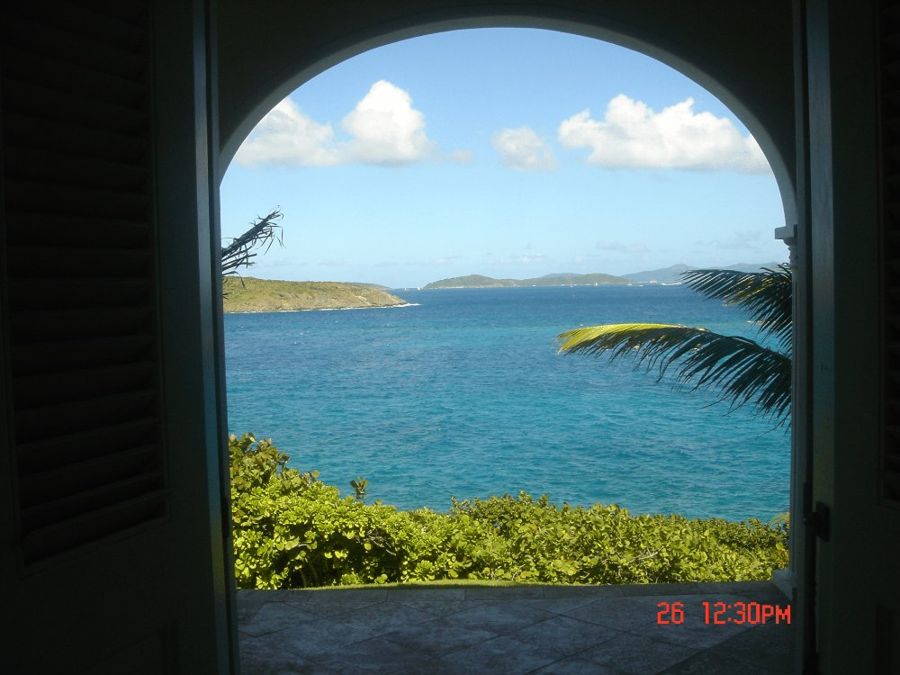
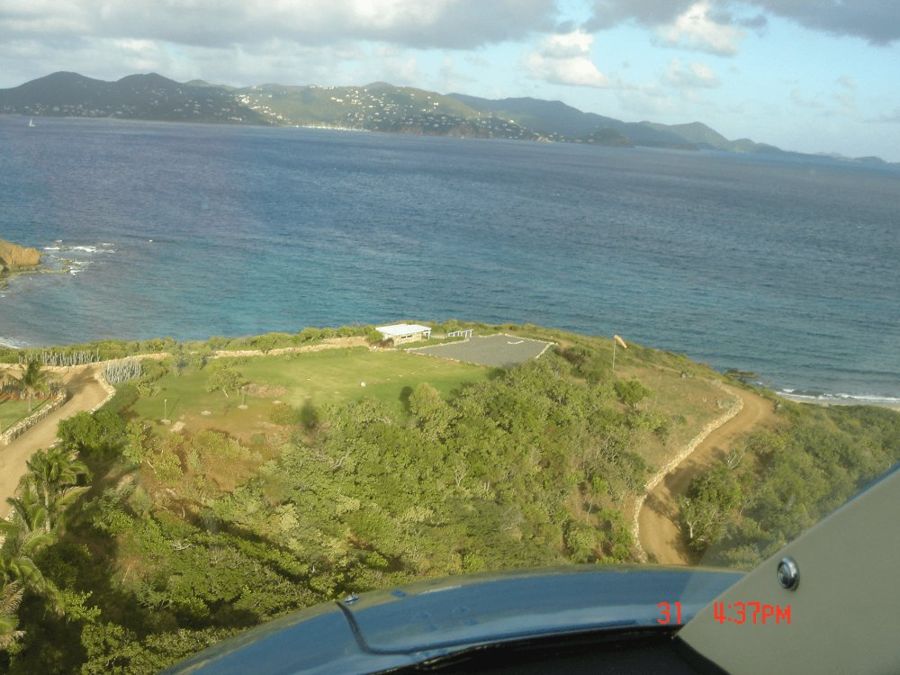
The camera printed day and time only: 6 photos on the 27th at 3:55 PM, 57 on the 31st between 3:48 and 4:40 PM.
Inside that stay the stamps can only mean the afternoons of 27 and 31 December 2004. The photos run in camera order along the disk, and the 27th comes first.
All disks
| Album | Disk | Pages | Linked | Strict | Date window | Photobook | Check one link |
|---|
Captions are cleaned up from the sheet header, with person names shown as [name]. Linked counts photos that pass the pixel check, Strict the subset where every part of the frame agrees. Tentative means fewer than 10 links or fewer than 5 strict ones.
Notes
Dataset 3 holds scans of the physical photobooks: contact sheets with a small print and the camera filename under each photo. Dataset 9 holds the same photos full size, one per page, with no text. Every full-size photo was compared with every thumbnail, with redaction boxes ignored. A link is kept only if camera filenames rise along the disk and the two images agree pixel by pixel. The matching is classic computer vision. Checks by eye were done partly by an AI assistant and partly by hand.
On random links checked by eye, about 9.5 % of all links and about 6 % of strict links are wrong. The sample is small, so the true rate could be anywhere from about 2 to 19 %. Most errors are near-identical sea, sky and boat frames taken seconds apart, which still sit in the right album. 258 photos turn up on two or more disks, and 290 of their 294 copy pairs agree almost pixel for pixel.
Dates come from the sheet captions, the flight logs and, on five disks, a camera stamp that shows day and time only. The flight logs are a public transcription checked against the scanned pilot logbook (DOJ Government Exhibit 662): 125 of 125 rows on 8 random pages matched, though about 8 % of logbook rows are missing from it. Records from 2006 on, Brazil included, have no scan to check against. DOJ re-encoded every photo, so no camera metadata survives.
The index covers places and dates. It does not identify people.
Coverage by photobook
Where the other 80 % are is open: files not checked yet, photos never released in full size, or links too uncertain to keep. A full pass over Dataset 9 is next.
| Photobook | Photos | Located | Share | Disks |
|---|
Sources: DOJ Epstein Files, Datasets 3 and 9 (justice.gov/epstein). Flight logs: github.com/valinux/flight-logs-explorer. The Rainbolt video “finding the epstein files” lists the label of every physical photobook; this index ties each book to its full-size disks.
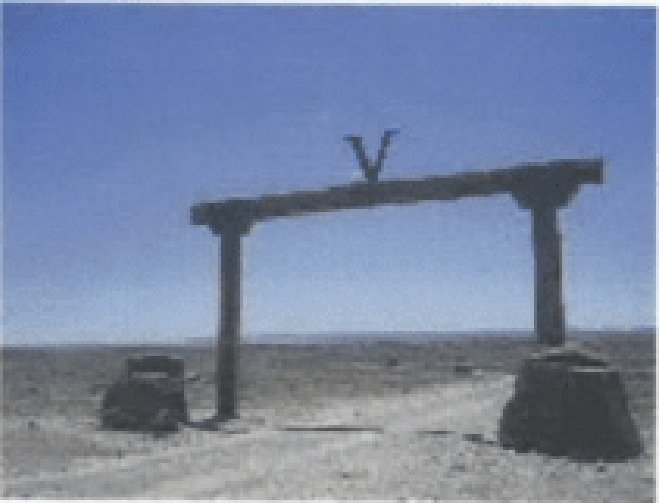
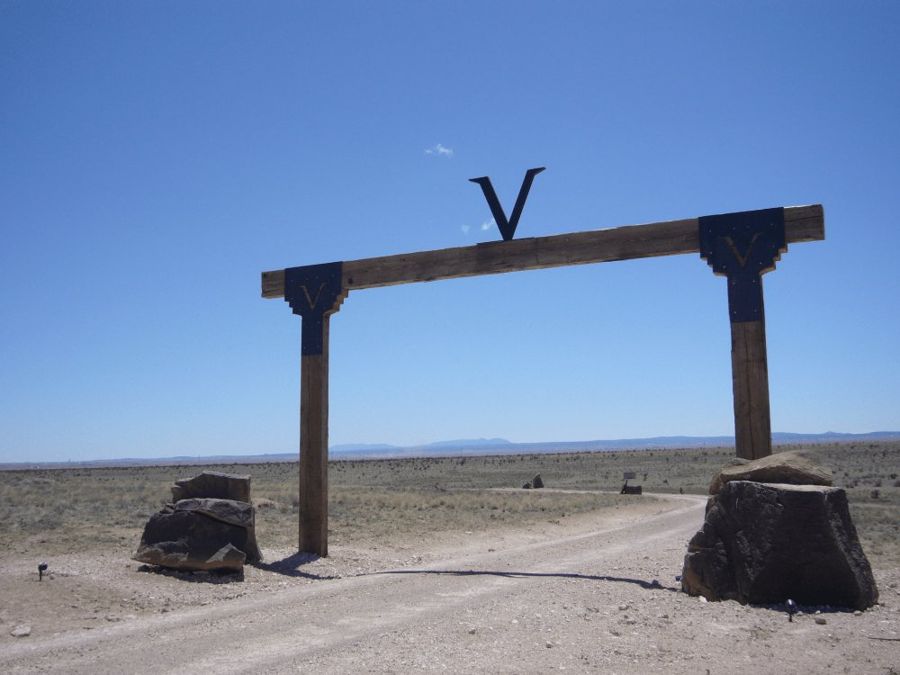
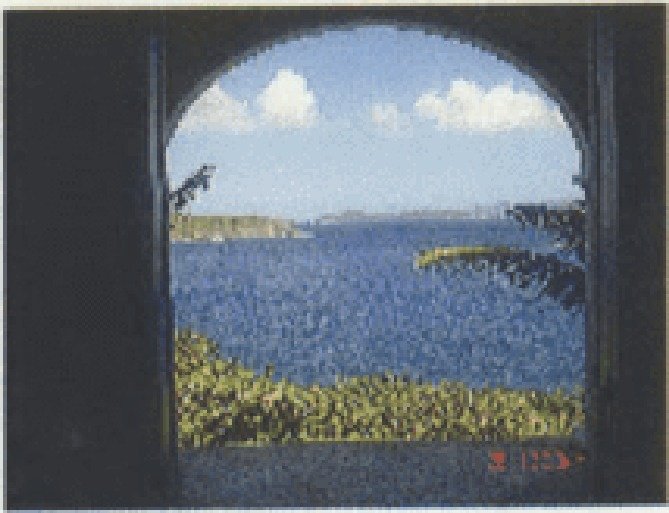
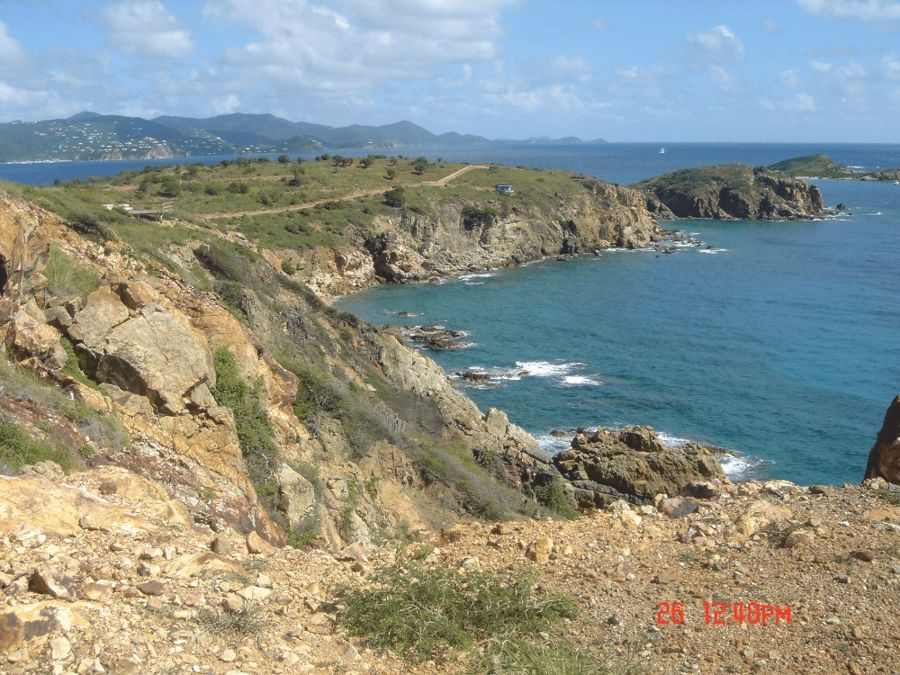
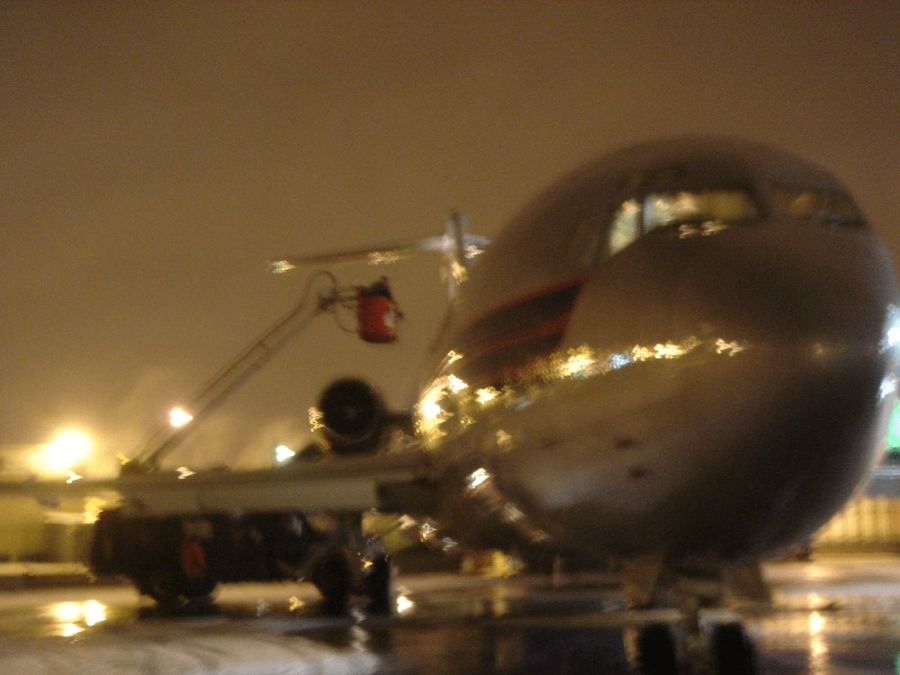
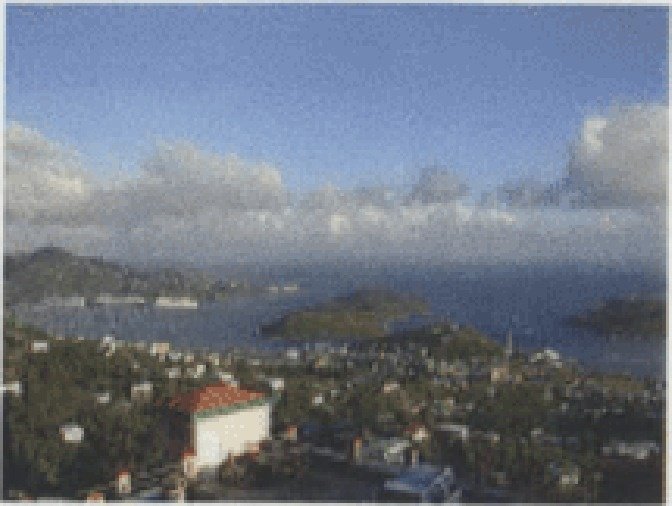
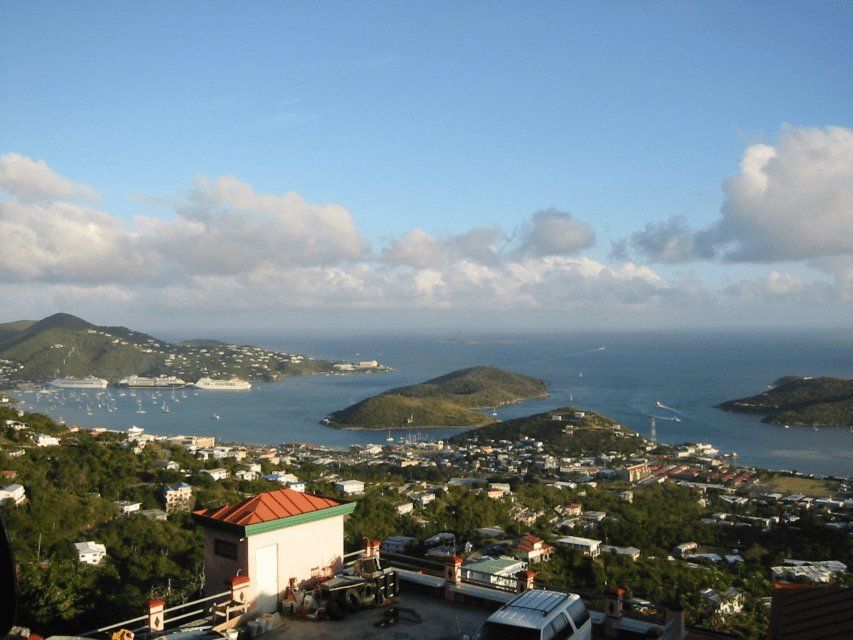
How the matching looks
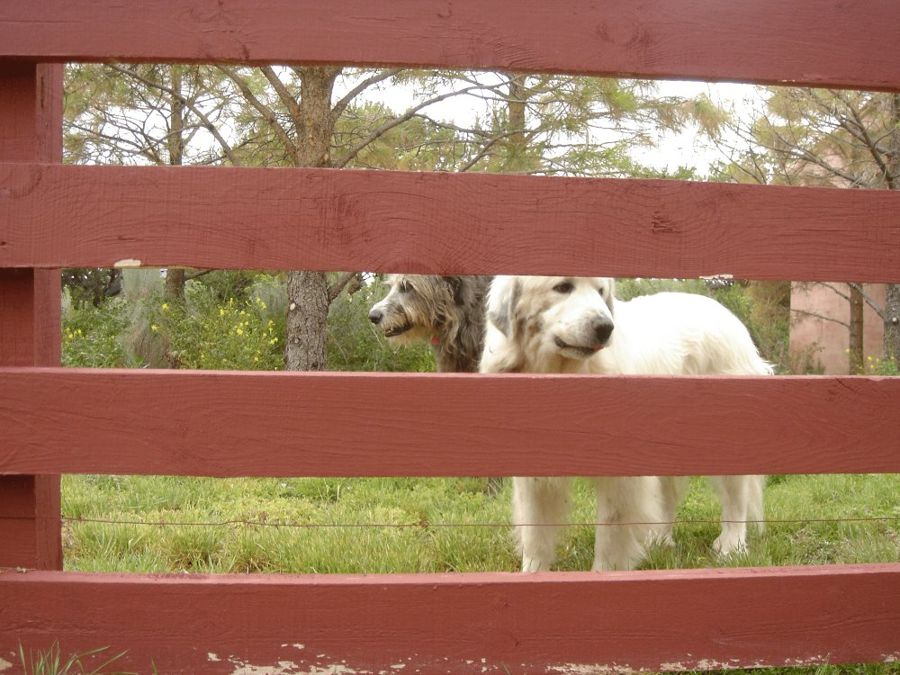
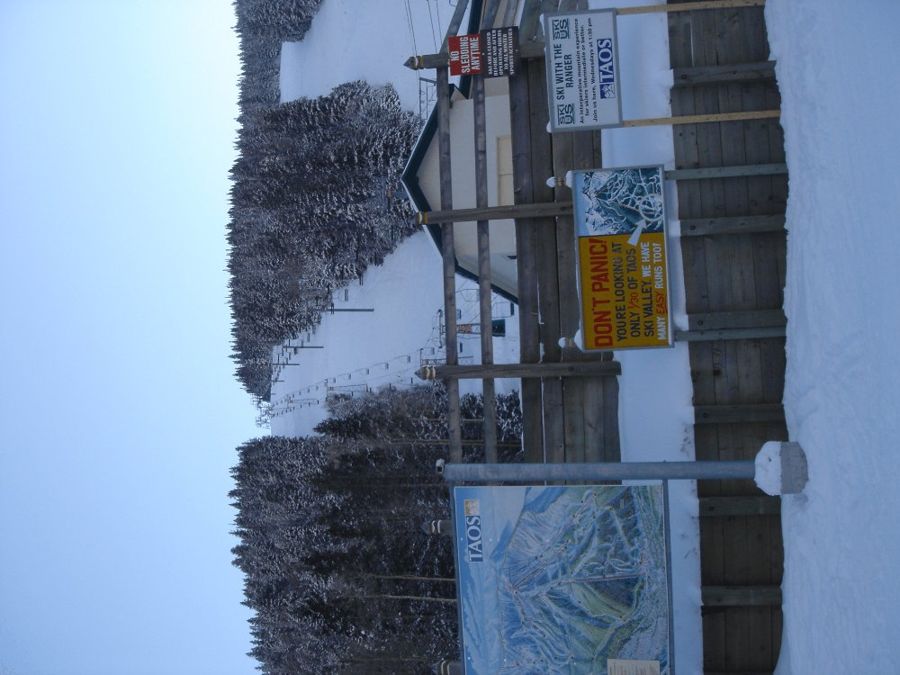
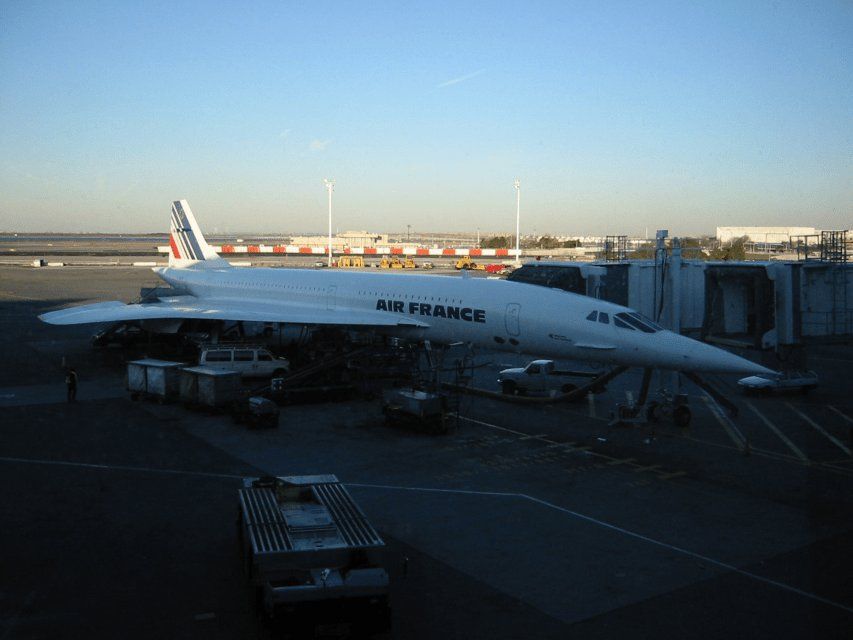
Each pair is one link from the index. On the left, the small print from the contact sheet in the photobook. On the right, the same photo at full size from Dataset 9. The matcher compares the images themselves, so it copes with rotation, scan grain and redaction boxes, and then checks that camera filenames rise along the disk. These nine have no people in them; the index links to every other pair on justice.gov.